How Can Video Production Improve Employee Training, Onboarding and eLearning?
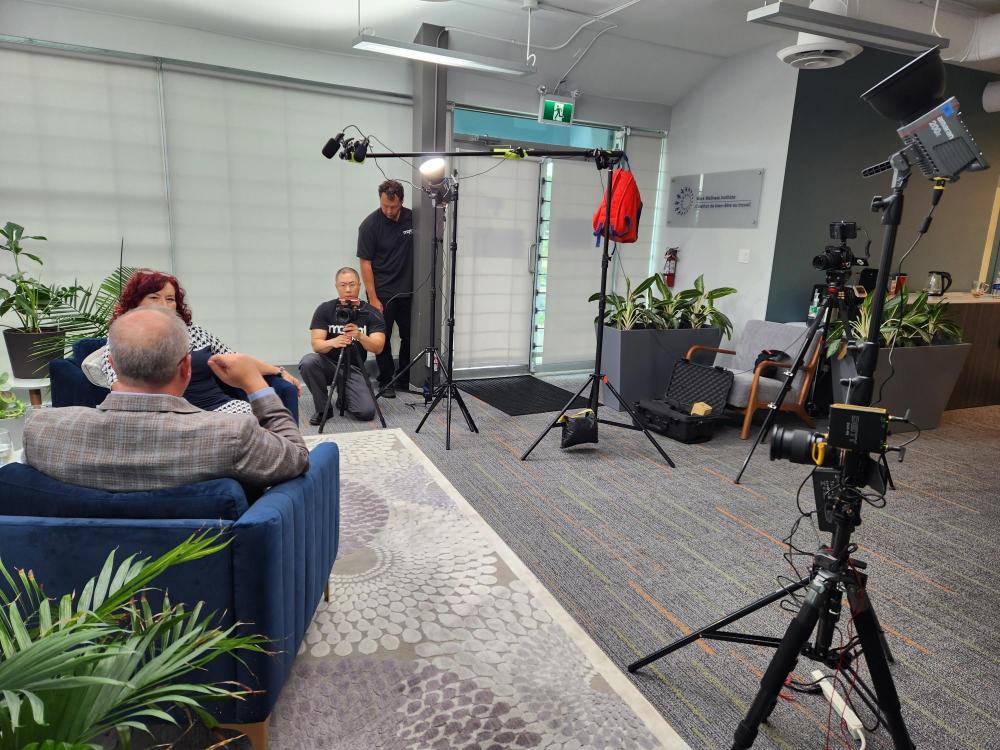
Video production can make training clearer, more consistent and easier to scale across teams, offices and provinces. Instead of relying on lengthy manuals or one-off presentations, an organization can deliver the same well-designed lesson to every learner, at any time, in any location. This article explains why video works so well for learning, how it supports onboarding and eLearning, and what to consider when planning a training series. The examples draw on the services offered by , which creates training and eLearning content for organizations across Canada.
Why Does Video Work So Well for Training?
Adults learn best when information is clear, relevant and easy to revisit. Video supports all three. It combines spoken explanation with visuals, so learners can see a process while hearing it described. It also lets a complicated procedure be broken into short steps, which makes it easier to follow and easier to remember.
Consistency is another advantage. When training is delivered live, the quality depends on the trainer, the day and the room. A video delivers the same message every time, which is especially valuable for compliance topics, safety procedures and company policies where accuracy matters. Learners can also pause, rewind and rewatch, which is something a live session rarely allows.
Finally, video saves time. A trainer who once repeated the same session every month can invest that effort in a single, carefully made video and spend future sessions answering questions and coaching. For organizations with staff in several cities, that difference adds up quickly.
How Does Video Help With Employee Onboarding?
The first days at a new job shape how someone feels about their employer. Onboarding videos help by welcoming new hires, introducing the company culture and explaining HR policies and workplace procedures in a friendly, organized way. Instead of handing over a thick binder, you give people a set of short videos they can watch on their own schedule.
A strong onboarding series usually covers a few themes. A welcome message from leadership sets the tone. A culture and values piece shows what the organization stands for. Practical videos explain benefits, systems, safety rules and who to contact for what. Because these videos are reused for every new hire, the investment pays back with each person who joins.
Onboarding videos also reduce the burden on HR and managers. When the basics are covered on screen, live meetings can focus on relationships, questions and role-specific guidance. For distributed or hybrid teams, video gives everyone the same welcome experience regardless of location.
What Makes eLearning Video Different?
eLearning content has to work on its own, without a trainer in the room. That means the script must be tight, the visuals must support the message and the pacing must respect the learner's attention. Marant Media offers custom learning creation and content built for LMS integration, so finished videos can be uploaded into a learning management system and become part of a structured course.
When video production is planned around your LMS from the start, you avoid technical surprises later. You can decide in advance how long each module should be, whether it needs quiz breaks and how it will fit alongside readings or assessments. Shorter modules often work better than one long lecture, since learners can complete them between tasks and return to specific sections when they need a refresher.
How Can Video Handle Complex or Sensitive Subjects?
Some training topics are difficult to teach. Workplace harassment, mental health, safety hazards, privacy rules and legal obligations all call for care. Thoughtful video production allows you to control tone, wording and visuals so that sensitive information is delivered respectfully and clearly.
Animation is especially helpful here. Illustrated characters and scenarios let you show realistic situations without exposing real people or filming difficult moments. Whiteboard and motion graphic styles can break down complicated rules into simple diagrams. Marant Media has worked with health, community and social service organizations, such as mental health groups and long-term care associations, where clarity and sensitivity are essential.
If you are working on a sensitive topic, involve a subject-matter expert early, keep the language plain and test the script with a small group of learners before finalizing the visuals.
Can Interactive and Animated Formats Improve Retention?
Passive viewing has limits. Interactive videos let learners click, choose and respond, which keeps them engaged and helps them retain what they learn. They also give you useful feedback, because you can see which sections viewers spent time on and which they skipped.
Animated videos can turn dry slide decks into lively explanations. A PowerPoint that took an hour to present can become a five-minute animated lesson with clear visuals and a friendly voice. Motion graphics are useful for numbers and processes, while 2D and 3D animation can show equipment, systems or environments that are hard to film.
What About Multilingual and Diverse Teams?
Canadian organizations often serve employees and learners who speak different languages. Training that is only available in one language can leave people behind. Marant Media produces videos in English, French, Spanish, Mandarin and other languages, and its national team can support projects in different regions. Planning for several languages from the start is more efficient than adding them later, since scripts, timing and on-screen text can be designed to adapt.
Cultural context matters as well. Examples, imagery and voices should reflect the people who will watch. A good team will ask about your audience and suggest adjustments that make the content feel relevant rather than generic.
How Can You Measure Whether Training Videos Work?
A training video should have a purpose that can be checked. Before production begins, decide what success looks like. It might be higher completion rates in your LMS, better quiz scores, fewer support questions, faster time to productivity for new hires or fewer safety incidents. Review those numbers after launch, gather comments from learners and update the video if something is unclear.
When you are ready to start, a reliable video production team can help you turn learning goals into a script, a storyboard and a finished series that fits your platform. Ask about timelines too. Most projects take about four to six weeks, and you can plan a series of modules in phases.
Conclusion
Video is one of the most practical ways to improve training, onboarding and eLearning. It delivers a consistent message, saves trainer time, supports complex topics and can be reused for every new learner. With clear goals, careful scripting, thoughtful format choices and attention to language and platform needs, video production becomes a lasting part of your learning strategy rather than a one-time expense.